
"Pope Clement VIII"
60 article(s) found
Do you know anything about coffee bans in history?
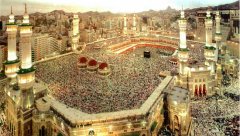
Although coffee has become a necessity of people's life, no one would think that coffee is harmful to the human body, but in history, coffee was regarded as the embodiment of the devil. Let's take a look at the tragic fate of coffee at different historical stages in different countries. 1. Mecca (Saudi Arabia) the ruler of Mecca banned people from drinking coffee in 1511. The authorities believe that drinking coffee will make people do it.

Ten wonderful Truths about Coffee
It all started with dancing goats. According to legend, an Ethiopian shepherd named Caldi discovered the coffee plant. In the process of herding the sheep, he found that when the goat ate a kind of fruit from the coffee tree, it would be very excited and strange, so he tried to eat some. Then a monk found Caldi full of energy and asked him.
Know ten wonderful truths about coffee
It all started with dancing goats. According to legend, an Ethiopian shepherd named Caldi discovered the coffee plant. In the process of herding the sheep, he found that when the goat ate a kind of fruit from the coffee tree, it would be very excited and strange, so he tried to eat some. Then a monk found Caldi full of energy and asked him.
Coffee basics 10 wonderful truths about coffee
It all started with dancing goats, and according to legend, it was an Ethiopian shepherd named Kaldi who discovered the coffee plant, and while he was herding, he noticed that goats acted strangely when they ate a fruit from the coffee tree, so he tried to eat some of it. Then a monk noticed Cardi's energy and asked him

Ten wonderful truths about coffee all started with dancing goats.
It all started with dancing goats. According to legend, an Ethiopian shepherd named Caldi discovered the coffee plant. In the process of herding the sheep, he found that when the goat ate a kind of fruit from the coffee tree, it would be very excited and strange, so he tried to eat some. Then a monk found Caldi full of energy and asked him.
The Cultural course of Coffee and European Coffee
From the end of the 15th century to the beginning of the 16th century, coffee was already a popular drink in the Middle East, but it was also regarded as a kind of medicine. European ambassadors and merchants in the Turkish Empire also believed that coffee was a healthy drink with special curative effects, and many positive comments helped to import coffee into Europe. Lovov, a famous German doctor and botanist, wrote a book about coffee as early as 1582, but

Introduction to the Source of Coffee Bean theme classroom in Starbucks
Starbucks Coffee Bean introduction the cultivation and production of coffee in the 17th century has always been monopolized by Arabs. At that time, it was mainly used in medicine and religion. Doctors and monks admitted that coffee had the effects of refreshing, awakening, strengthening the stomach, strengthening the body and stopping bleeding. Since the beginning of the 15th century, the use of coffee has been documented and integrated into religious ceremonies during this period. At the same time, it also appeared in the folk as a day.

December 6-December 8 Coffee Show address-December 2016 Shanghai Coffee Show
December 6-December 8 Coffee Show address-December 2016 Shanghai Coffee Fair 2016 Cafe Show will enter Shanghai, the fashion capital of China, as the third stop of the international promotion plan for Cafe Show series exhibitions. As the center of the world fashion trend, Shanghai has an unshakable position in the promotion of coffee drinks. In the past few years, the number of coffee shops in Shanghai has been urgent.

Art Gallery Restaurant Coffee-Xi'an Zhimeng Space Gallery Coffee
The cultivation and production of coffee in the 17th century has always been monopolized by Arabs. At that time, it was mainly used in medicine and religion, and doctors and monks admitted that coffee had the effects of refreshing, awakening, strengthening the stomach, strengthening the body and stopping bleeding. The use of coffee was documented at the beginning of the 15th century and was integrated into religious ceremonies during this period. At the same time, it also appeared in the folk as a daily drink. Because of Islam

5 minutes to quickly understand the common sense of coffee.
A few pieces of coffee common sense: 1. In western countries, the consumption of coffee is equivalent to that of tap water. Coffee is the most circulating commodity in the world after oil. The annual output of coffee in the world exceeds 70 million tons. Coffee is produced in more than 70 countries in the world, most of which are located near the equator, mainly in Latin America, Southeast Asia and Africa. Every year
The Historical Story of European Coffee the Historical background of European Coffee Coffee controversy in Europe
Professional coffee knowledge exchange more information about coffee beans Please follow the coffee workshop (Wechat official account cafe_style) Coffee came to Europe to the near East the European traveler brought back the story of an unusual black drink. By the 17th century, coffee spread to Europe and became popular throughout the continent. Some people reacted to the new drink with suspicion or fear, calling it Sasa.

Introduction to the making method of coffee, one of the three major drinks in the world
The cultivation and production of coffee in the 17th century has always been monopolized by Arabs. At that time, it was mainly used in medicine and religion, and doctors and monks admitted that coffee had the effects of refreshing, awakening, strengthening the stomach, strengthening the body and stopping bleeding. The use of coffee was documented at the beginning of the 15th century and was integrated into religious ceremonies during this period. At the same time, it also appeared in the folk as a daily drink. Because of Islam

The spread and Development History of Coffee in Europe
From the end of the 15th century to the beginning of the 16th century, coffee was already a popular drink in the Middle East, but it was also regarded as a kind of medicine. European ambassadors and merchants in the Turkish Empire also believed that coffee was a healthy drink with special curative effects, and many positive comments helped to import coffee into Europe. Lovov, a famous German doctor and botanist, wrote a book about coffee as early as 1582, but
The legend of coffee
There are several legends about the origin of coffee, among which the more familiar is the story of the shepherd: around 600 AD, a shepherd found that his sheep would hiss excitedly every night. In fear, he asked the priest in the temple for help. After carefully observing the sheep for a few days, the priest found that the sheep had eaten an unknown fruit, and the priest himself had eaten it.

5 minutes to quickly learn about coffee common sense coffee basic knowledge
A few pieces of coffee common sense: 1. In western countries, the consumption of coffee is equivalent to that of tap water. Coffee is the most circulating commodity in the world after oil. The annual output of coffee in the world exceeds 70 million tons. Coffee is produced in more than 70 countries in the world, most of which are located near the equator, mainly in Latin America, Southeast Asia and Africa. Every year

The Art of slow Baking in CAFFE PASCUCCI
In Arabic, coffee (qshwa) means good wine and can be intoxicated; in Greek, coffee (kaweh) means strength and enthusiasm, which can be exhilarated. Among the imported drinks, coffee is the most humanistic, and it inadvertently conveys the elegance and self-confidence of Western culture, especially the relaxed atmosphere, charming and romantic taste,

History of Fine Coffee Culture Coffee Culture in Italy
There are two things to be careful when visiting Italy: one is a man and the other is coffee. In Italy, coffee and men are actually two different things, so there is a famous Italian saying: men should be like good coffee, both strong and enthusiastic! Italian coffee, named Espresso in English, has been widely known by coffee lovers in China in recent years. This kind of coffee is strong and fragrant, with noodles.
The spread and Development of Coffee Culture (2)
The spread and Development of Coffee in Europe from the end of the 15th century to the beginning of the 16th century, coffee was already a popular drink in the Middle East, but it was also regarded as a medicine. European ambassadors and merchants in the Turkish Empire also believed that coffee was a healthy drink with special curative effects, and many positive comments helped to import coffee into Europe. Lovov, a famous German doctor and botanist, wrote as early as 1582.

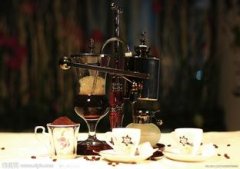
The coffee cup is filled with romantic dream coffee common sense.
The coffee pot is full of ups and downs, the coffee cup is filled with dreams, and the fragrance of the coffee shop is enough to contain the vicissitudes of the world, which is a harbor where the soul docks. For most Chinese, coffee is a fashion label. It is not only a kind of embellishment drink, but also a way of life. If you have a strong coffee complex, make an appointment with a friend
Philosophy of life pervades the coffee table
The coffee pot boils ups and downs, the coffee cup contains dreams, and the misty fragrance in the cafe is enough to accommodate the vicissitudes of the world, which is a harbor for the soul to dock. For most Chinese, coffee is a fashion label. It's not just a drink, it's a lifestyle. If you have a strong coffee complex, meet up with friends